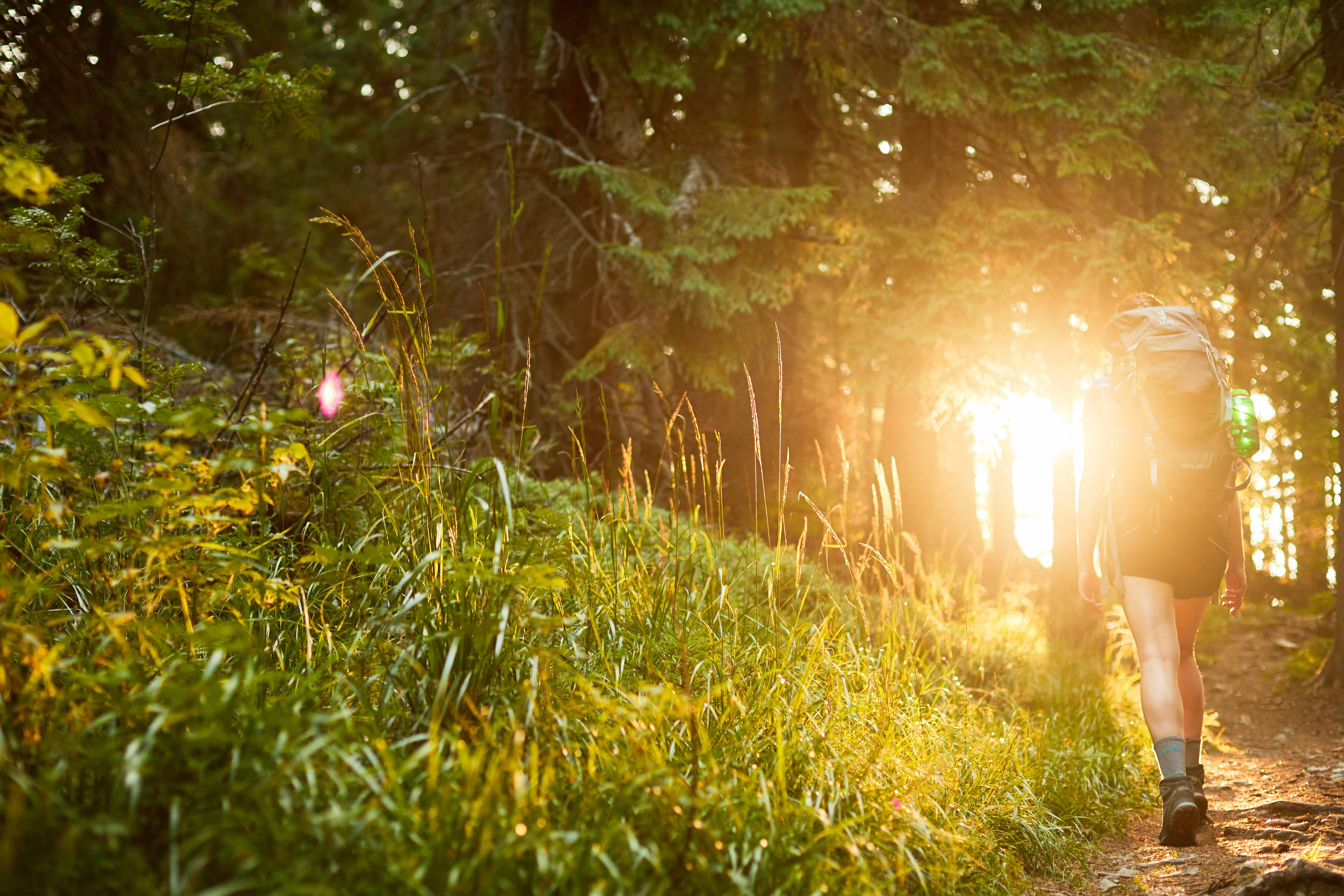
Ten things that you should have in your backpack
Whether you are going to nature for a few hours or weeks, the whole hike starts with packing and, paradoxically, packing in the warmth of home is a place where you can make the biggest mistakes.

Sure, there are things you may need, but they are not necessary, but they will not be discussed in this blog. On the contrary, let's look at the absolute basics, without which you wouldn't have to take a step on the hike and which should always find their place in your backpack. Because if it gets tough, these things can be the difference between a happy coming home and unpleasant problems.
We haven't created it by ourselves, this list was first published in the 1930s by The Mountaineers and has become globally respected, naturally undergoing several changes over the next 90 years, including technological advances.
But let's break down the individual things one by one.
1. Map, compass, navigation
You should be able to orient yourself in the field. Whether it is a classic paper map in combination with a compass, a specialized navigation device, but also an ordinary (charged) phone or GPS watch.
The choice is yours, if you choose a map with a compass, you should be sure that you can "read" them. In general, the longer the hike awaits you, the more confident you should be and the more options you should have.
2. Headlamp
Orientation at night is key and the headlamp should not be missing in your backpack, even if you do not plan to spend the night in nature - you never know how the situation can go awry and you do not want to stay in the dark forest at night without a light source. Of course, an alternative is also a flashlight or theoretically a light from a mobile phone, but the headlamp frees your hands, is more practical, and lasts a relatively long time (although replacement batteries are never a bad idea).
3. Sun protection
Although many hikers have great respect for the winter in the mountains, the danger is hidden in the summer. And we're not just talking about unexpected summer thunderstorms.
Sunlight, especially at high altitudes, can cause many problems, from sunburn to dehydration to skin burns. So there are several reasons to protect yourself well from the sun.
So you should definitely not miss quality sunglasses in your backpack, which you will also appreciate in winter, when the sun, reflected from the snow, can blind you. Sunscreen should have a factor of at least 15, but for longer stays in the sun, a minimum of 30 is recommended. And you will also find pieces of clothing in our portfolio that can effectively block UV radiation.
4. First aid kit
The first aid kit simply belongs in the backpack. Not only that, you should be sufficiently familiar with the individual elements in it to know how to use them if necessary. The content of individual first aid kits can then vary, depending on your needs, but also, for example, how many people are taking the hike with you, but there should definitely be disinfectants, bandages, patches, blister creams, or painkillers.
5. Knife
Calculating the reasons for having a knife on hand would be long. You can help with it when preparing food, when performing first aid, to repair a piece of equipment with it, if you also have a small repair kit on hand.
When it comes to knives, you don't even have to worry about the so-called Multitools or Swiss Army knives that contain many other useful tools, including scissors or a can opener.
6. Source of fire
If necessary, you should have anything on hand to start a fire. Whether it's a quality lighter or quality matches that can withstand any moisture. In other words, classic matches from the grocery store will not be enough.
An excellent alternative, especially at higher altitudes and snowy areas, is a compact stove, powered by a gas cartridge.
7. Waterproof layer
Especially in cases when something happens to you and you need to wait for help, you need to have something with you that just won't get wet. It can be a waterproof jacket, it can be a raincoat, it can be a waterproof blanket, it can also be ordinary plastic if necessary. Simply something you can survive in the dry even in the event of heavy rain and wind. The ideal protection is a tent, but of course, it is not always at hand.
8. Extra food
In addition to the food you plan to consume, you should always have an energy source with you for at least one extra day. Your trip can be complicated by bad weather or injuries, so you never know if it will not be prolonged in the mountains. The ideal choice of such a diet to stock are foods with a high energy value, which you do not need to heat-treat - ie bars, nuts, or dried fruits.
9. Extra water
It is always good to have more water with you than you need or plan your hike so that you always come across a source of drinking water during it. You can also consider a filter, or in the case of a snowy country, you can always melt a piece of snow on your compact stove.
How much water you need depends on many factors, from the temperature, through the intensity of the effort, to your weight. However, you should not have less than half a liter per hour.
10. Extra clothing
You know how fast the conditions in the mountains can change. Therefore, you should be really prepared for any alternative. You should definitely not miss extra underwear, hat or gloves, even in summer. Of course, there is a waterproof layer, in the winter you should definitely add at least one insulated layer in addition to what you think you will need.