The Adventurer's Dilemma: When are shorts the best choice, and when do I choose long pants?
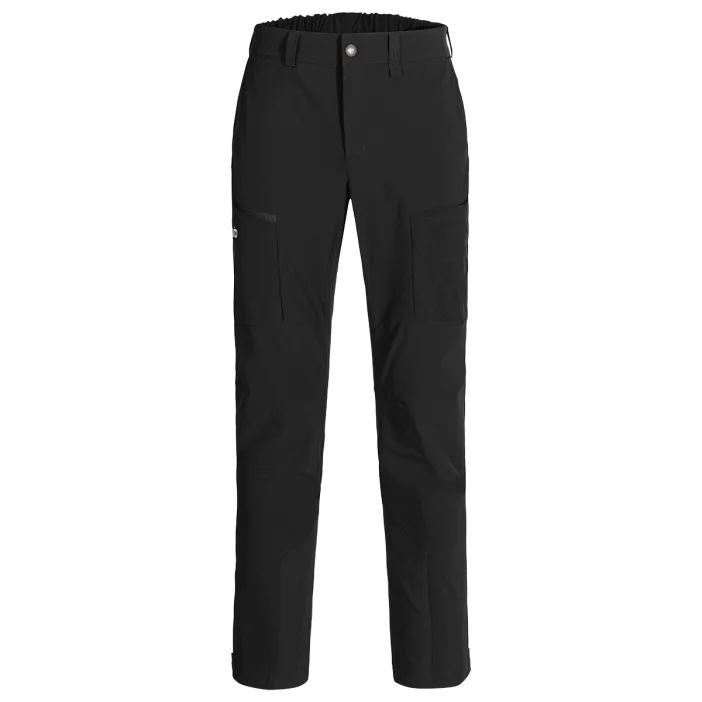
Hiking trousers are not just any trousers - they have specific features that distinguish them from other types of trousers. And one of the most distinctive features of hiking pants that makes them superior to the vast majority of others is their durability. In fact, when you're rubbing and scraping your pants against rocks, trees and the like, the high durability of the material is an absolute must, as it protects both your pants from tearing and damaging, and your skin from unpleasant abrasions, or in worse cases, bloody wounds.
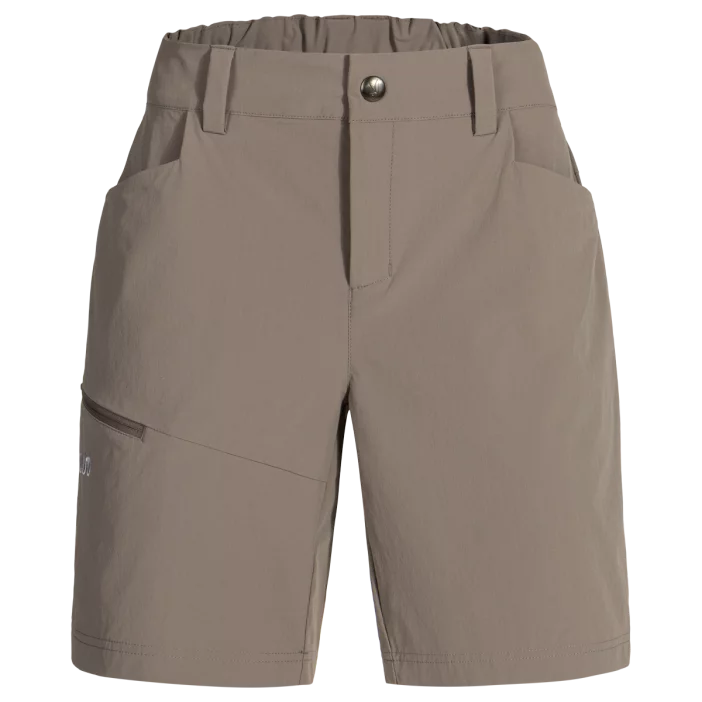
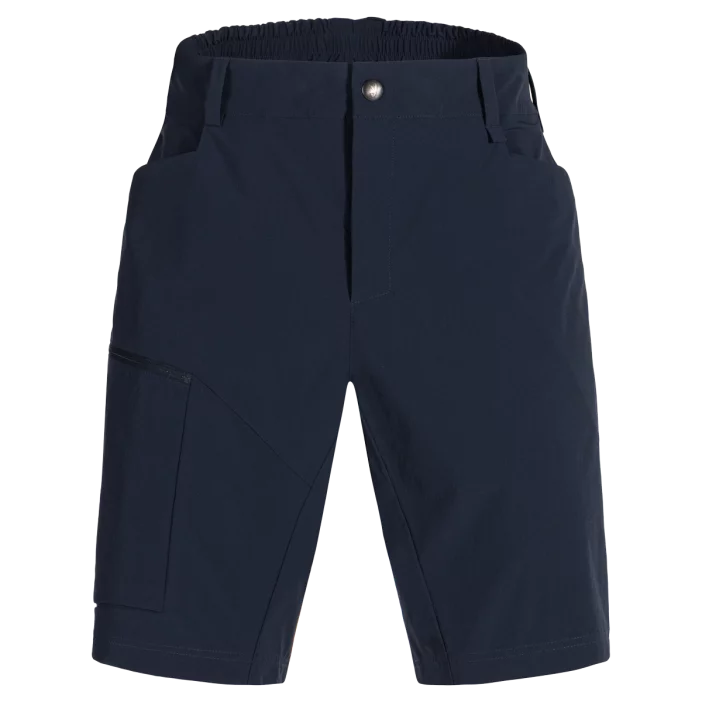
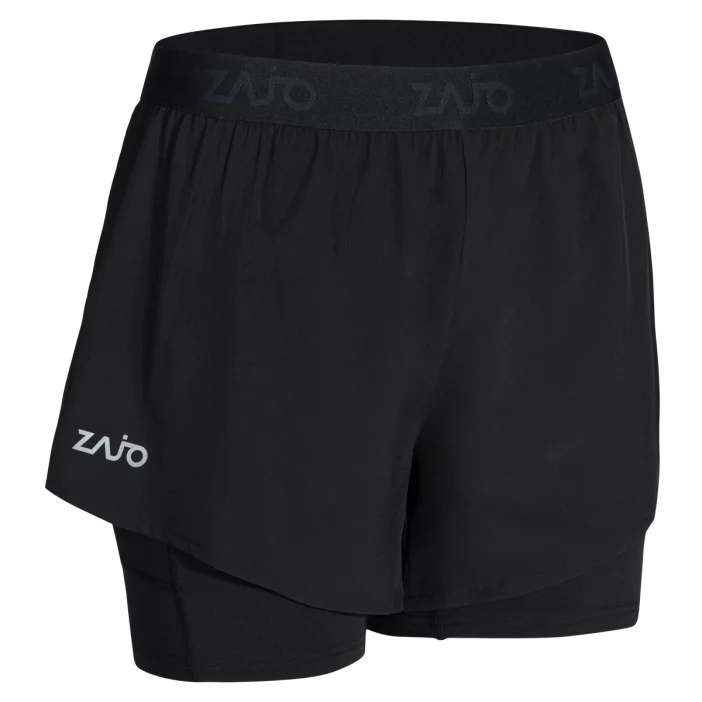
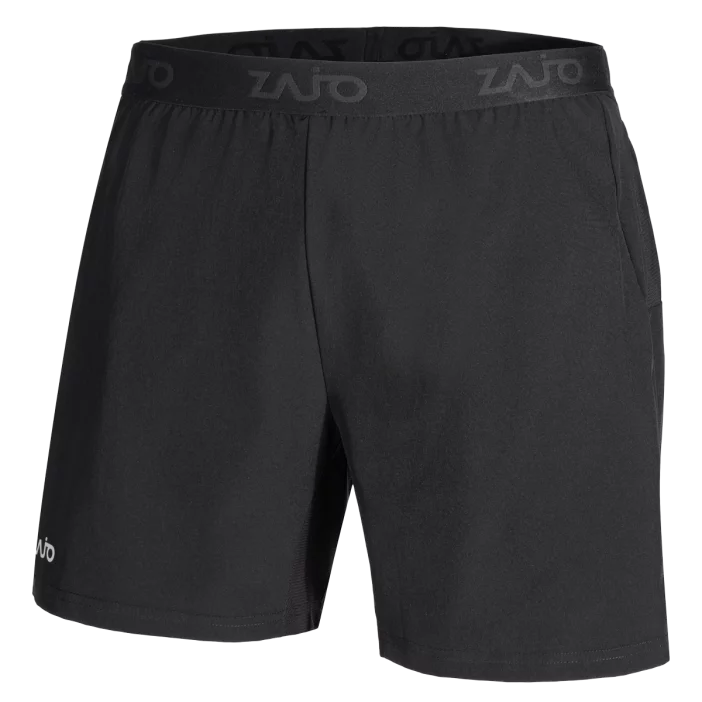
And then there are hiking shorts. Which, while they offer identical features to hiking pants, including their durability, but from about the knees down, their ability to protect is naturally nonexistent. So do they even make sense in the mountains and out in the wilderness?
The answer is sometimes yes. And sometimes no. It depends.
Hiking shorts offer several advantages over traditional hiking pants, but it's also inevitable to say that they're not suitable for every terrain and every condition. In fact, hiking shorts deprive the lower half of the legs of a physical barrier that may be redundant in certain types of terrain and certain conditions, but on the contrary, is critically necessary in certain conditions.
It is simply a complex question with no clear-cut answer. Therefore, in the search for a satisfactory answer, we have looked at the issue in more depth.

Hiking shorts: Freedom for the legs
Hiking shorts are more than a good choice in these scenarios.
Hot and humid conditions
In summer heat and extremely humid conditions, wearing long clothing can be very uncomfortable. Hiking shorts, on the other hand, offer as much ventilation as possible for the exposed part of the legs, while the sweat and moisture generated by our body does not encounter any unnecessary barrier when trying to escape, therefore evaporating pretty much instantly. The exposed part of the body thus stays fresher for longer, which not only increases comfort but also reduces the risk of problems associated with overheating.
Even a truly breathable material, capable of wicking sweat away efficiently, is never equal to naked skin, from which sweat evaporates straight into the air.
Short and easy hikes
On well-maintained hiking trails without significant elevation changes and obstacles, one can certainly do without the durability and protection of hiking trousers, and there is therefore no reason to reach unnecessarily for longer trousers. Moreover, since our legs are not limited by so much material, shorts offer more freedom of movement, which makes moving in the terrain even more enjoyable.
If you're going in the water
If you'll have to cross running water during your hike, or if you're planning to cool off in a lake, shorts will definitely be a better choice. Thanks to the smaller volume of material, they'll dry out much faster and you won't have to carry around hundreds of extra grams of soaked water. Plus, if you're only crossing a relatively shallow creek, your clothes may not even come into contact with the water in the case of shorts.
If you're a fan of ultralight hiking and want to save extra grams
Shorts are the preferred choice for the increasingly popular category of ultralight hiking, where minimizing weight and therefore maximizing speed or comfort is a top priority. Shorts, thanks to less material, are the logical choice for those who hike lightly.










Hiking trousers: Maximum protection for the legs
So the shorts stand out in particular because of how much ventilation they offer for the skin thanks to the exposed legs. And also the freedom of movement, which is also related to the reduced amount of material. In contrast, long trousers are primarily about protection. And that is the number one priority in these cases.
For cold weather
In the cold months and in cold conditions, long trousers are the most logical choice. They protect your legs from the cold wind and keep them warm, while you can also wear an extra warming layer underneath if you need to. While you can technically do that under shorts, base layers, especially on the legs, are absolutely not built for contact with the outside world, whether we're talking obstacles and hazards or the elements. And what that's going to look like perhaps doesn't even need to be discussed.
Into difficult or vegetated terrain
On rugged, overgrown trails with dense vegetation, only long pants will protect your legs from scrapes, insect or snake bites, or contact with plants like nettles.
At higher altitudes, when you're literally scrambling over cliffs, you'll appreciate protection against abrasions from the rocks, which can be very uncomfortable, painful and can easily ruin your hike. A similar principle applies to caves, for example.
As protection from the sun
While absolutely nothing can protect exposed skin without sunscreen against the harmful effects of UV rays, ordinary clothing can do some of it. So if you have sunburn-prone skin, long clothing may be a better option.
Plus, even in the outdoor world, there are already materials that can effectively block the vast majority of UV rays, offering even better sun protection than sunscreens.


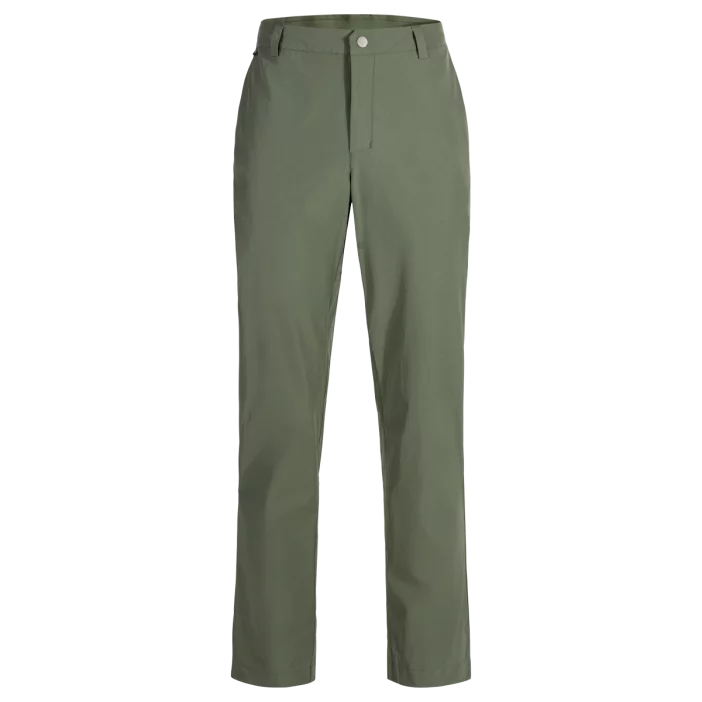






Convertible trousers: The perfect balance between two worlds
If you're still struggling with the dilemma of whether to wear shorts or trousers, convertible trousers are the solution. They're classic hiking trousers, but you can unzip them at any time to shorten them into shorts, so you can always wear what's more suitable for the conditions. Plus, it really only takes a few seconds, as there's no need to even take your shoes off.
They're especially great for transitional seasons and higher altitudes, where the weather can change literally by the minute.
Zip Off trousers therefore offer tremendous flexibility, their only downside is that they are slightly heavier in comparison to trousers and are not as 'clean' in design.
Leggings: An attractive alternative
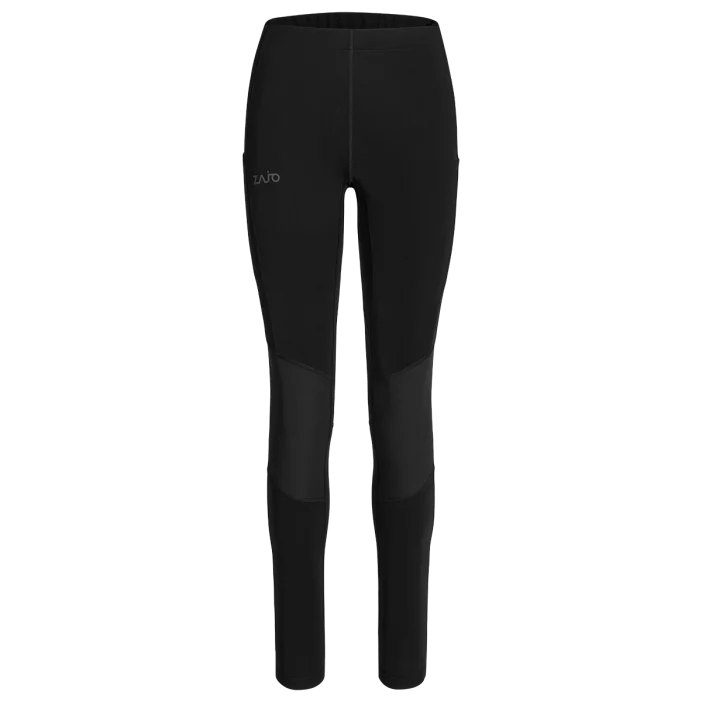
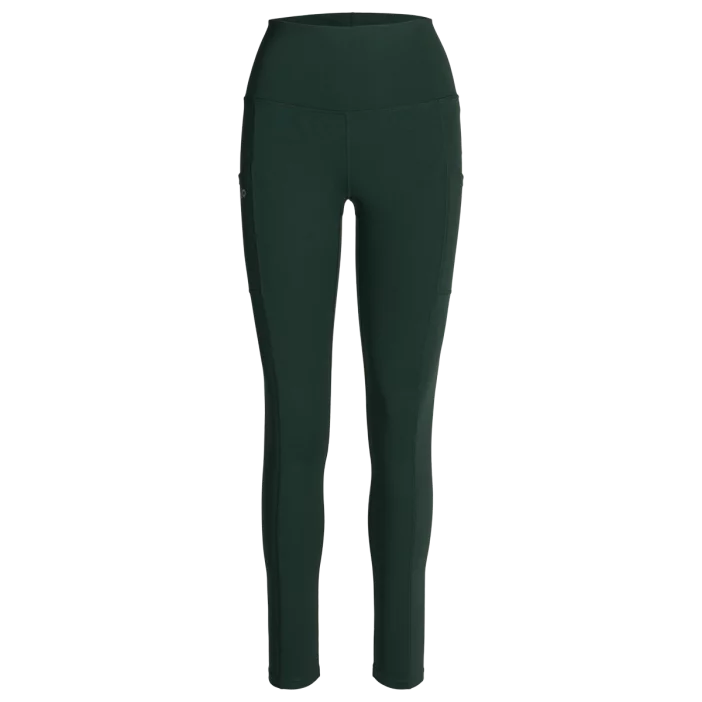
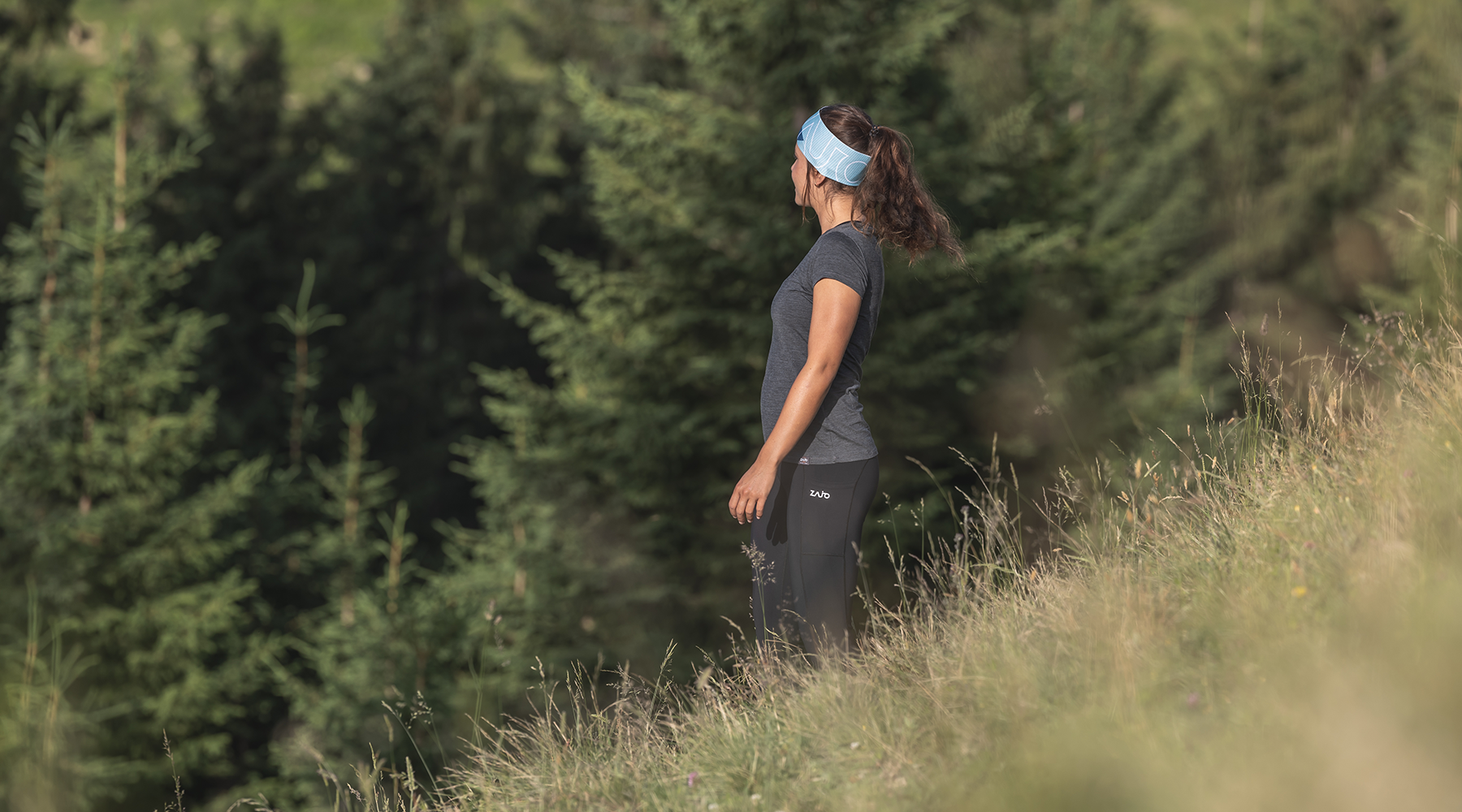
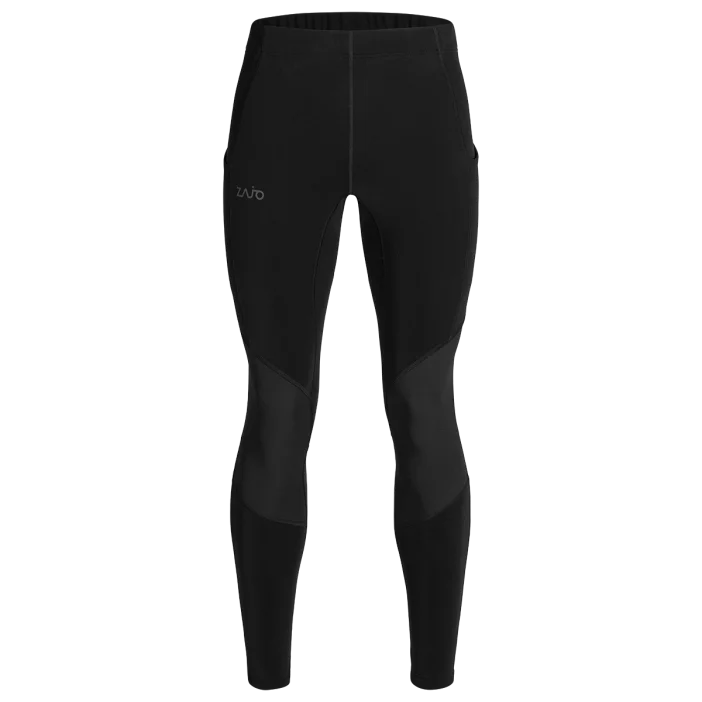
The last alternative to the above are leggings. These stand out for the freedom of movement they offer, coupled with a chic look that chunky trousers, whether short or long, can't match.
Hiking leggings are more durable than traditional leggings, are extremely lightweight, depending on the material, can also keep you warm and offer at least partial leg protection that shorts lack.