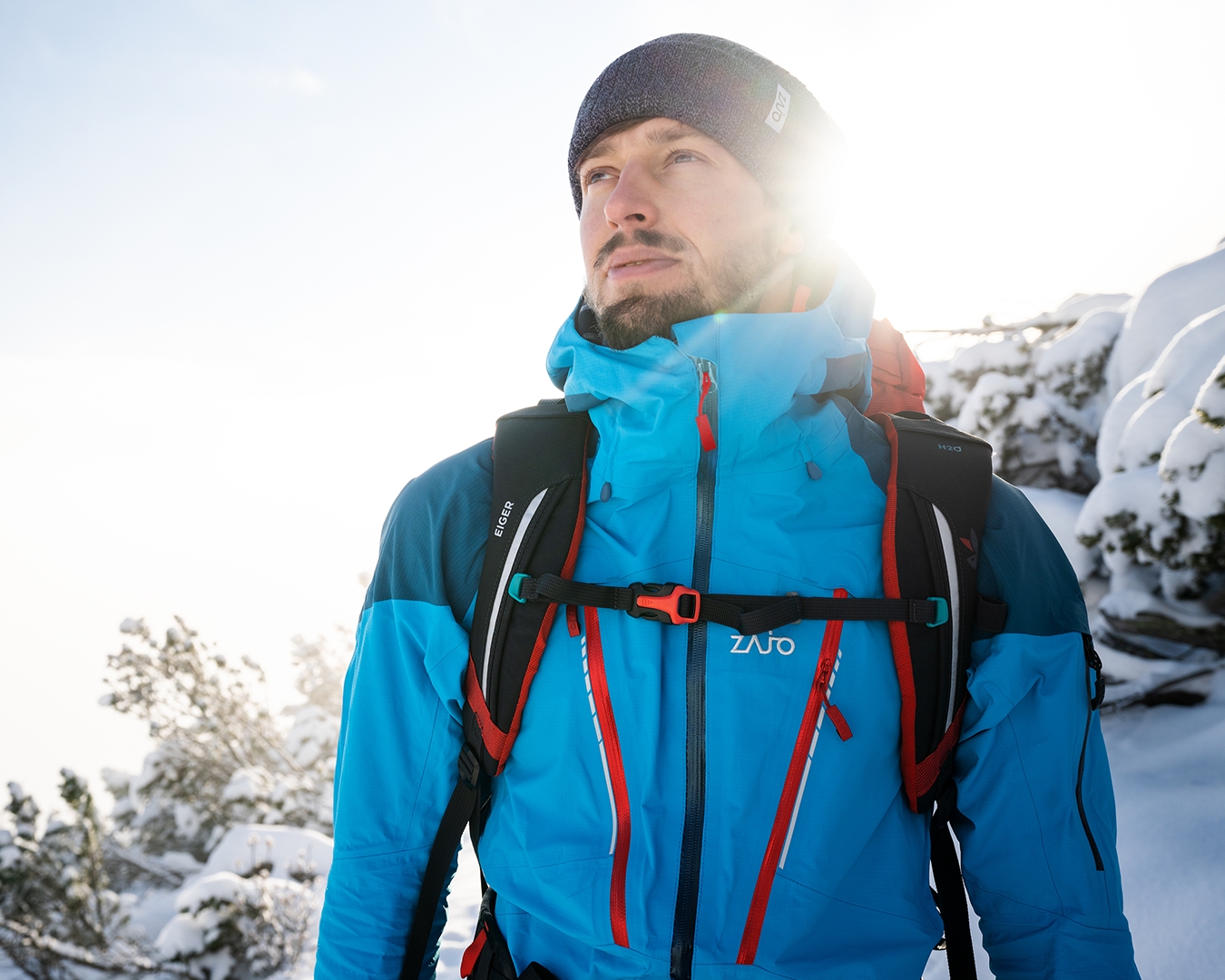
Summer Hiking in Full Swing: How to Dress for Both the Heat and Mountain Winds
Summer in the mountains can be unpredictable. You might wake up to a fresh 12 °C in the morning, be scorched by the sun at midday, and face sharp winds or a sudden storm in the afternoon. The key to staying comfortable is light layering and choosing breathable materials that will keep you dry and at ease in any weather.
In this article, we’ll guide you on how to dress for summer hikes so you’re ready for everything—from scorching heat to brisk mountain winds—and show you which ZAJO pieces can help you do just that.
1. Base Layer: Wicks Away Sweat, Fights Odor
The foundation of any hiking outfit is a functional T-shirt. It should wick sweat away quickly so you don’t overheat during exertion, while still feeling pleasant against the skin. For summer in the mountains, we recommend merino wool—it naturally resists odor even after days of wear, regulates temperature, and stays comfortable even in higher heat.
For men: Bjorn Merino T-shirt combines soft merino wool with a durable nylon core, making it breathable, antibacterial, and exceptionally long-lasting.
For women: Elsa Merino W T-shirt offers the same benefits in a women’s cut, with high comfort and UV protection.
Extra tip for women: Under a merino T-shirt, the Manali W Bra Top works perfectly—a lightweight sports bra that doubles as a top and provides enough support for light activities.
2. Pants vs. Shorts: Choosing for Terrain and Temperature
In summer, versatility pays off. Zip-off pants that convert into shorts are ideal for August hikes—perfect for those who start early in cool weather but face afternoon temperatures climbing toward 30 °C. Travelers also love them for saving space in the backpack. Whether you choose pants or shorts, go for functional fabrics that keep you comfortable on long treks.
For men: Magnet Zip Off Pants, made from durable, breathable DryPro fabric with elastane for free movement, convert to shorts in seconds.
For women: Grip Zip Off W Pants offer the same flexibility and comfort in a women’s cut.
Alternative for hot days (women): Manali W Biker Shorts—above-the-knee leggings made from stretchy, sweat-wicking fabric that feels like a second skin. Functional yet stylish.
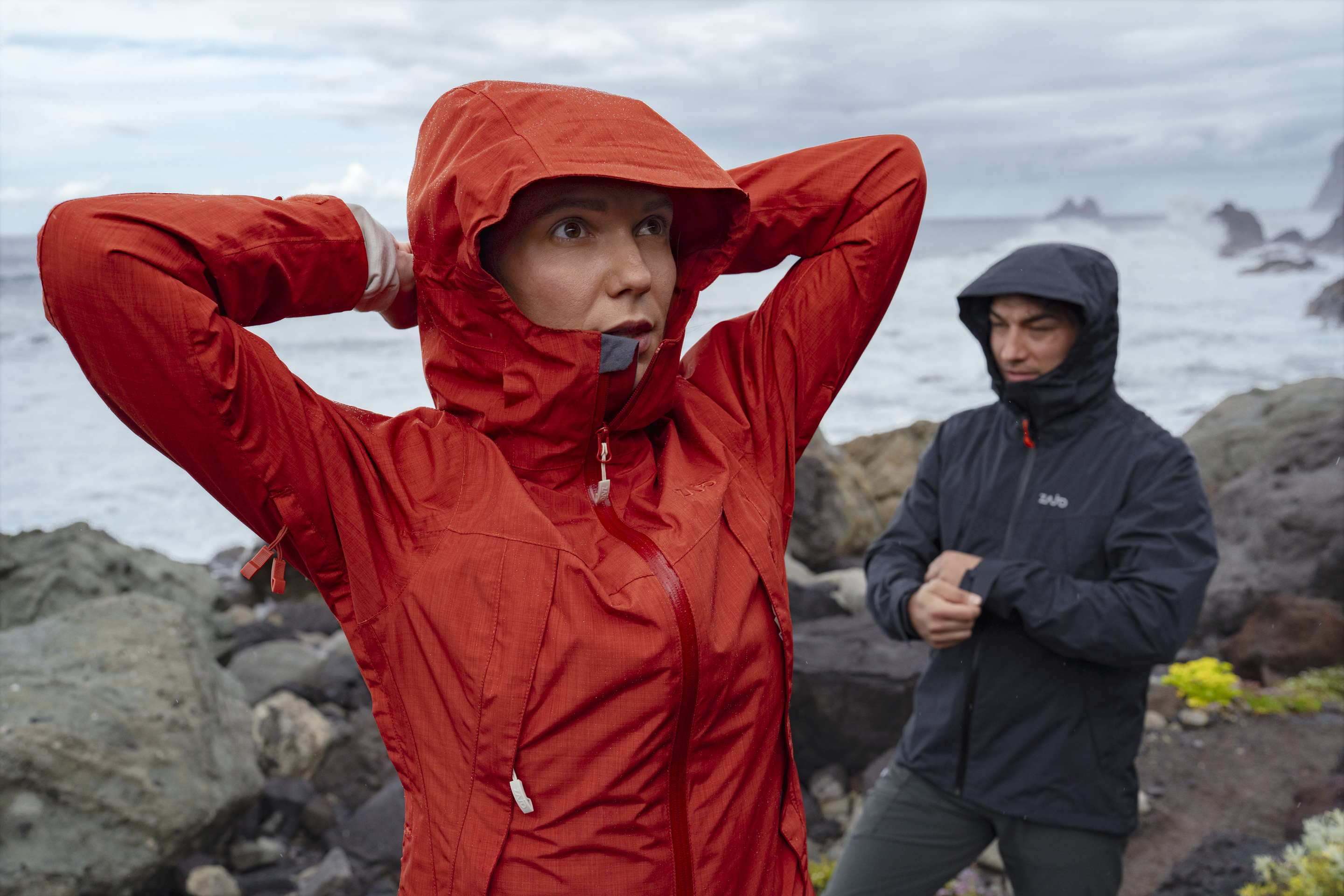
3. Mid Layer: When the Chill or Wind Hits
Even in summer, mountain winds or a sudden drop in temperature after a storm can catch you off guard. A lightweight fleece jacket adds warmth without overheating you during movement.
For men: Arlberg M Jacket, made from Polartec® fleece, wicks moisture efficiently and delivers warmth without unnecessary bulk.
For women: Malmo W Pull—a light, breathable pullover made from recycled fleece, perfect to pack as an emergency layer.
4. Outer Layer: Protection from Wind and Rain
Even on sunny days, it’s worth keeping a lightweight waterproof jacket in your backpack. Summer mountain storms can strike without warning, and sharp winds can quickly lower your perceived temperature. Ultralight membrane jackets shield you from rain and wind while still allowing moisture to escape from inside.
For men: Litio Shield Jkt—a minimalist Pertex® Shield jacket that packs down to a tiny size and weighs only a few hundred grams.
For women: Litio W Shield Jkt—the same functionality in a women’s cut, suitable for both the mountains and the city.
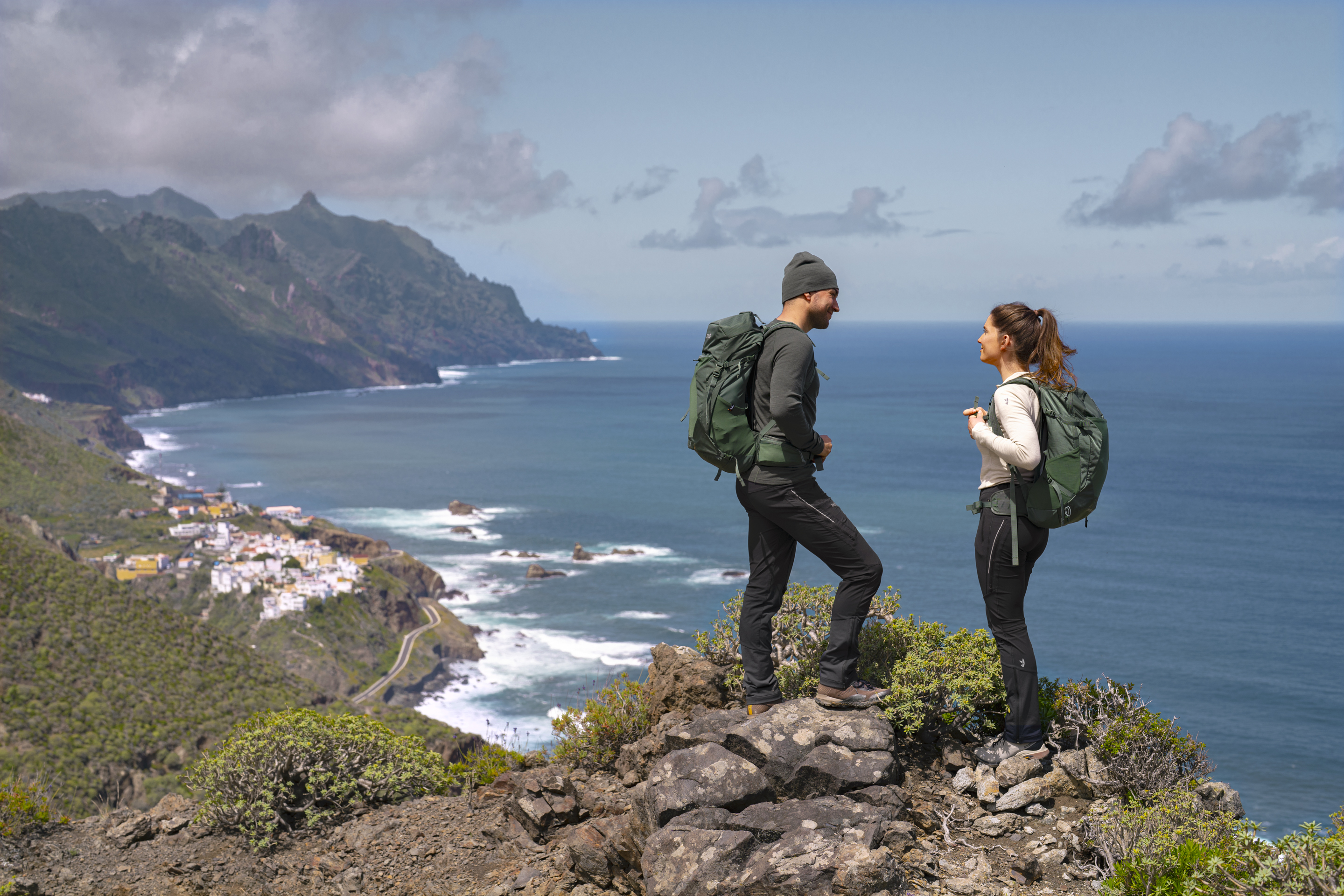
5. Must-Have Accessories
Hiking isn’t just about clothing—gear matters too. A comfortable backpack is essential, trekking poles can help on tricky descents, and good outdoor shoes are non-negotiable for every step. Don’t forget moisture-wicking socks to keep your feet dry.
Summer Layering Tips for the Mountains
Start light: Functional T-shirt + shorts or convertible pants.
Have an emergency layer: Always carry a light fleece or pullover in your pack.
Shield yourself from wind and rain: An ultralight jacket takes up no space but can save your hike during a summer storm.
Prioritize comfort: Choose stretchy, breathable fabrics that won’t restrict movement.
Don’t forget the extras: A hat or cap, sunglasses, and plenty of water are just as important as clothing.
Summer hiking is beautiful precisely because of its variety—and the same goes for mountain weather. With the right clothing and layers, you can ensure comfort, protection, and freedom of movement all day long. And remember: even when nature decides to change the forecast, a well-prepared hiker will always enjoy the adventure to the fullest.