How to survive and enjoy long-distance marches and multi-day treks
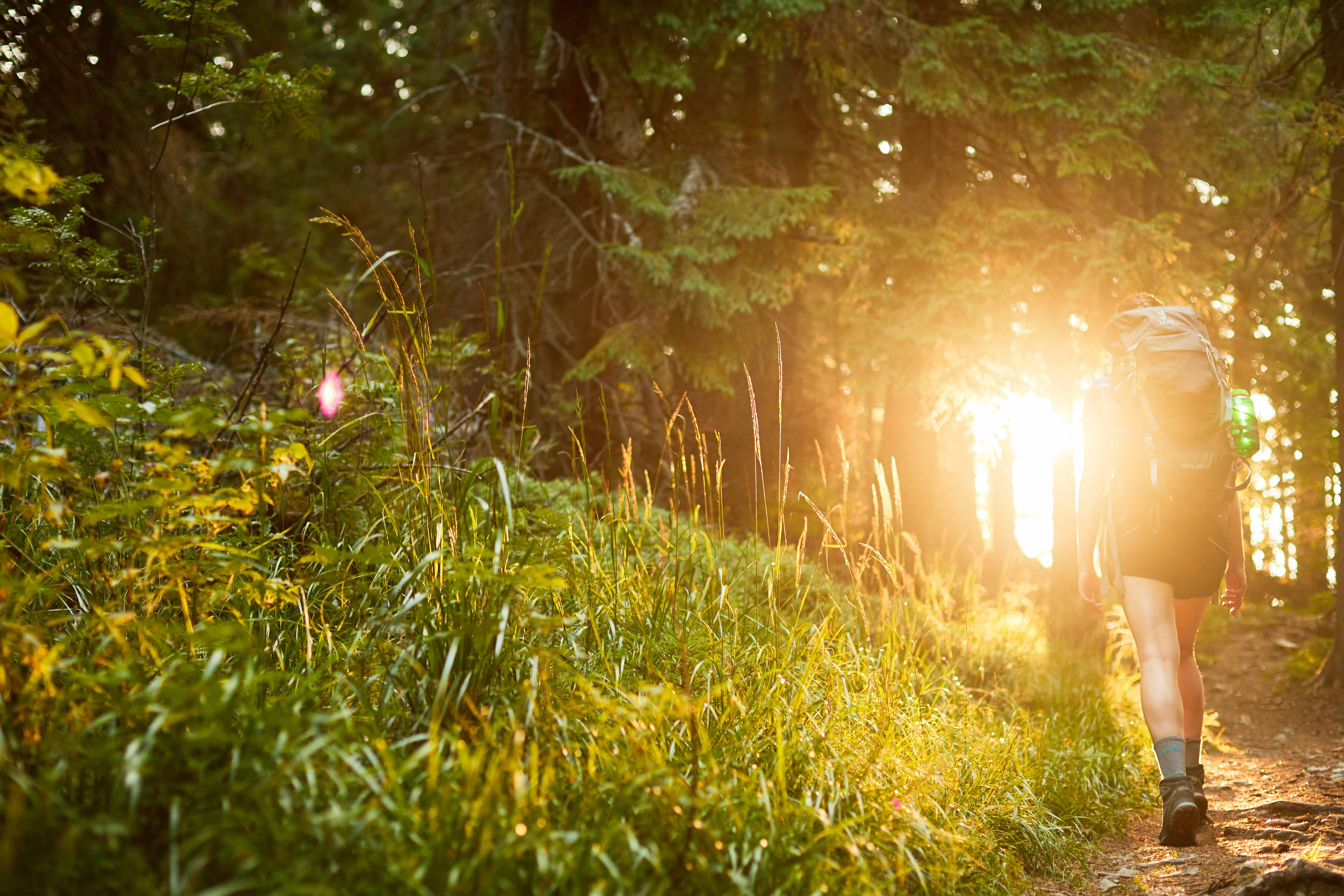
If you have no experience of long-distance marches and treks and you are going to complete your first try this summer, you should know a few important things. This is the information we would like to hear if we are going on our first "big" hike.

Critical basis - worn shoes and breathable socks
The success or failure of the whole expedition begins and ends with your feet. That's why quality shoes are an absolute priority, and if there´s part of the equipment where it's worth paying extra, this is it. But shoes should not only be high quality, but they also need to be worn - we even think that the wornness of shoes is even more important in this case. It is not appropriate to start your trek directly from the store in brand new shoes.
Socks are an equally important factor. It is important that they are breathable and do not hold water or moisture - otherwise, you will feel the first blisters after a few tens of kilometers, and then there is no way back. With blisters, it is important to think about prevention, and the factors mentioned above are the best prevention. Various ointments can also help preventively in places where you are prone to blisters - but always apply them before blisters start to form.
Go lightweight - you will feel every gram
Long-distance marches usually take place in the summer, and treks are also most popular at a time when the weather is relatively pleasant and stable. There are several reasons, one of them is that it is not necessary to have too much equipment with you - because, you will feel the grams very quickly during a long hike. The fewer things you have in your backpack, the better for you. The lighter it is, the better for you. Of course with the various possible scenarios in mind.
The good news is that manufacturers, including us, are thinking about this fact. Therefore, in our product portfolio, you will find an ultralight tent, backpack, or trekking poles. In addition, with every single product, we make sure that the weight is as low as possible - of course without compromising on the expected quality.
Take a break if you can/Don't stop at any cost
The subtitle doesn't make sense to you? The "tactic" depends on whether we are talking about a multi-day trek or a long-distance march. While for longer treks it is appropriate to take a break once every 5-7 days, in case of long-term marches with a time limit, the exact opposite applies. It is necessary to walk slowly, but consistently and without long breaks. Every break means a significant loss of time, and at the same time, with increasing kilometers, there is an increasing risk that your body will simply rebel and you will no longer stand up. The advantage, in this case, is the GPS sports watch, or apps on the phone, with which you continuously control the average speed - so that you can finish the march within the time limit and at the same time walk at a pace that is sustainable for you.
Protect yourself against rain
The biggest scarecrow in the summer months is, of course, rain - but it is important to protect not only yourself but also your equipment. Therefore, in addition to the waterproof jacket, be sure not to forget the waterproof raincoat on your backpack and check whether the waterproofing of the membrane on your shoes needs to be revived. Because once you let the rain get to you, it can mean a huge problem for you and your goals.
You will not be hungry or thirsty, but you must eat and drink
A very common mistake, especially for long-distance marches, is a lack of energy due to a lack of hydration and energy. If you are constantly walking, the feeling of hunger and thirst can be suppressed, which does not mean that you do not need to replenish energy and fluids - quite the contrary. Due to the high expenditure, it is necessary to constantly replenish energy, even if you don´t feel that you have to - you just have to force yourself. The ideal companions for the long-distance march are crackers, nuts, soy sticks, energy sticks, and gels. Many endurance athletes also praise cola drinks.
If you underestimate this matter, you may feel full of energy, but the moment you least expect it, your body will simply resign and your chances of success are over.
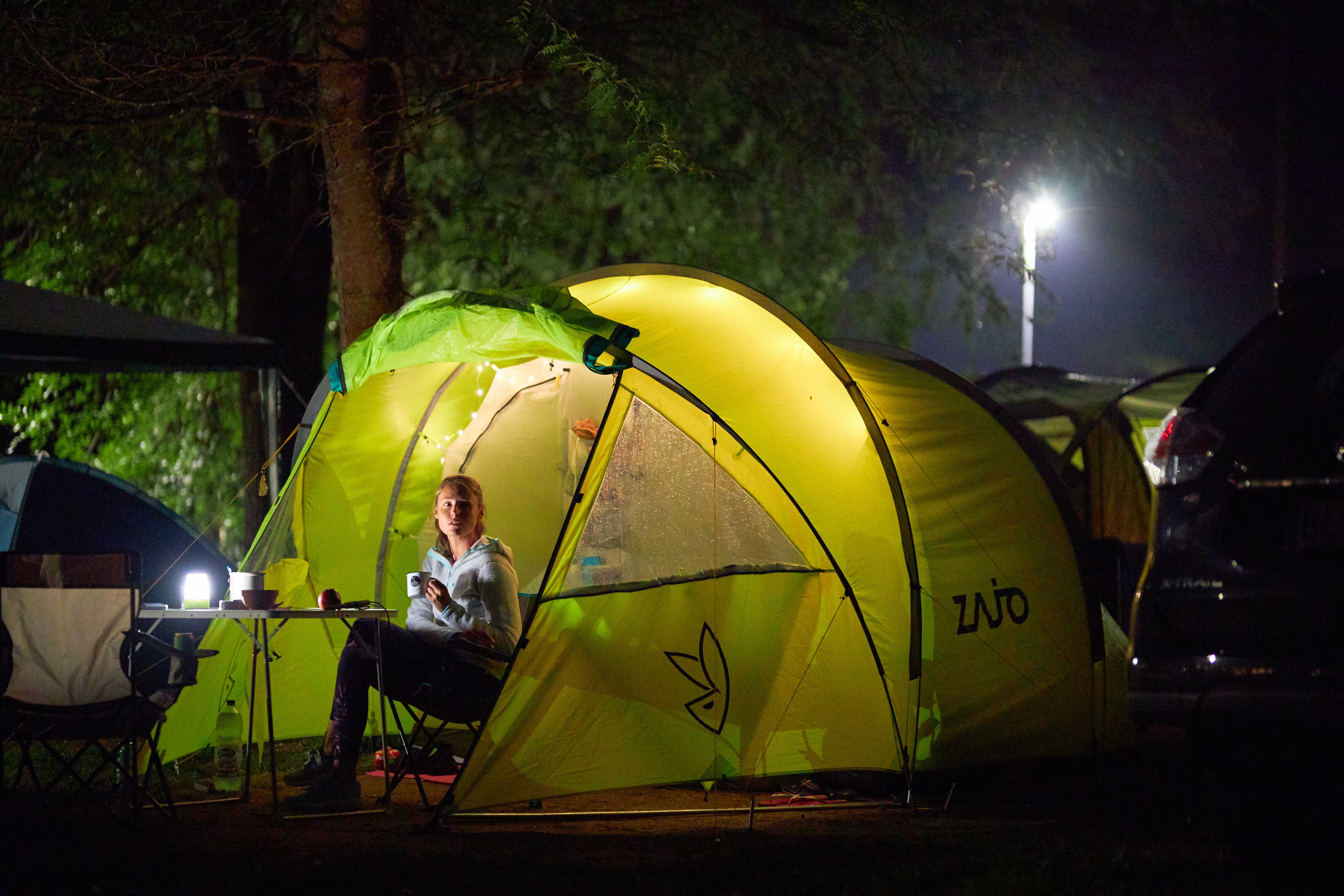
In case of treks, it's a bit easier, as you're usually not limited in time, you can afford longer breaks and replenish most of your energy when camping in the morning and before bedtime. Even in this case, however, it is strongly recommended to replenish your energy with simple snacks during the day, which will get you a few kilometers further.
A word of conclusion
Just arm yourself in a good mood and don´t allow the crisis to break you. They will come, regardless of the difficulty of your adventure. It is a common part of every trek or march and so it is necessary to get through it. Of course, we could talk about tips indefinitely, but this is the most important basis with which we are confident you are definitely going to reach the goal of your "expedition".
See you out there!