7 Essential Hacks for Dressing in Extreme Cold!
Imagine missing out on the tranquil beauty of winter landscapes just because the temperature dips too low. Winter offers a unique, serene view of nature, often undisturbed and all yours to relish. It's an experience not to be missed!
While it's wise to respect the bite of cold temperatures, dressing for extreme conditions is simpler than it seems. With a few thoughtful adjustments and additional layers, you can transform your winter outings from a chilly ordeal to a delightful adventure.
In this guide, we'll share 7 key tips and hacks to ensure you're fully enjoying the great outdoors, no matter how far the thermometer drops. Some of these tips might be familiar, while others could be new discoveries. So, whether you're refreshing your knowledge or learning anew, join us as we delve into the essentials of winter hiking and outdoor enjoyment.

Double Up on Middle Layers
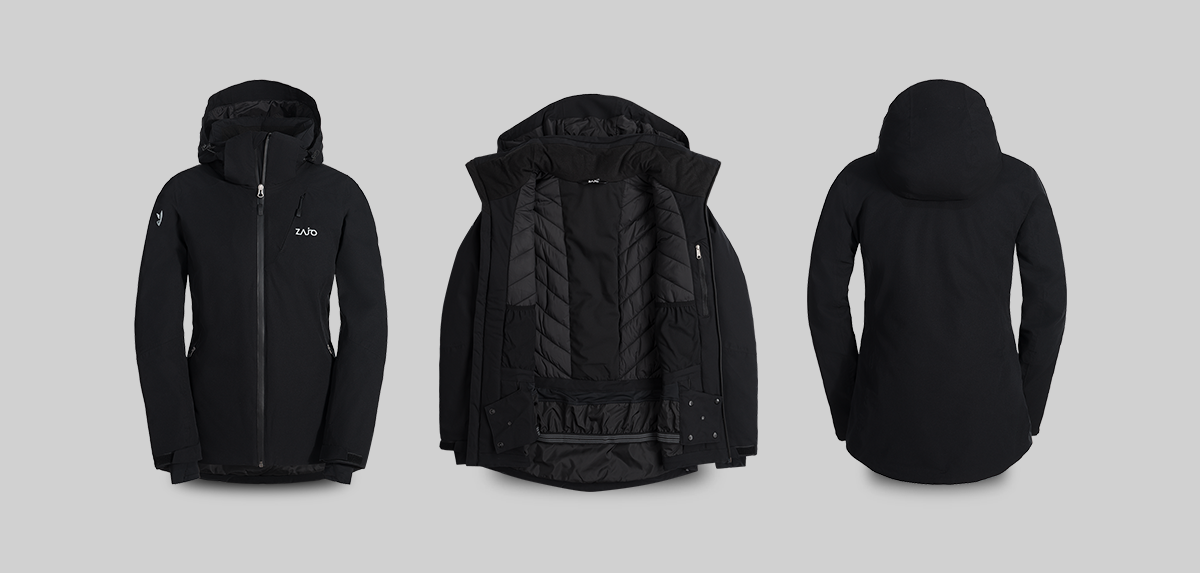
In extreme cold, the traditional three-layer clothing system gets a tweak: it's all about doubling up on the middle layer. While the base layer remains dedicated to moisture wicking (and doesn't benefit from duplication), and the outer layer serves as your crucial shield against weather elements (where one quality layer suffices), the middle layer is where you can really amp up the warmth.
Think of it this way: the more insulation you have, the better, especially in severe cold. So, instead of sticking to a single middle layer, combine different types like fleece, softshell jackets, or light down jackets. This combination isn’t just about adding bulk; it's about creating an efficient, layered defense against extreme temperatures.
These layers work in concert to trap heat, ensuring you stay warm even as the mercury plummets. And the beauty of this approach? If you start to overheat, simply remove a layer and stash it in your backpack. It’s a simple, flexible solution to tackle the unpredictable nature of extreme cold.
Zatiaľ žiadne produkty.
Double-Glove Approach
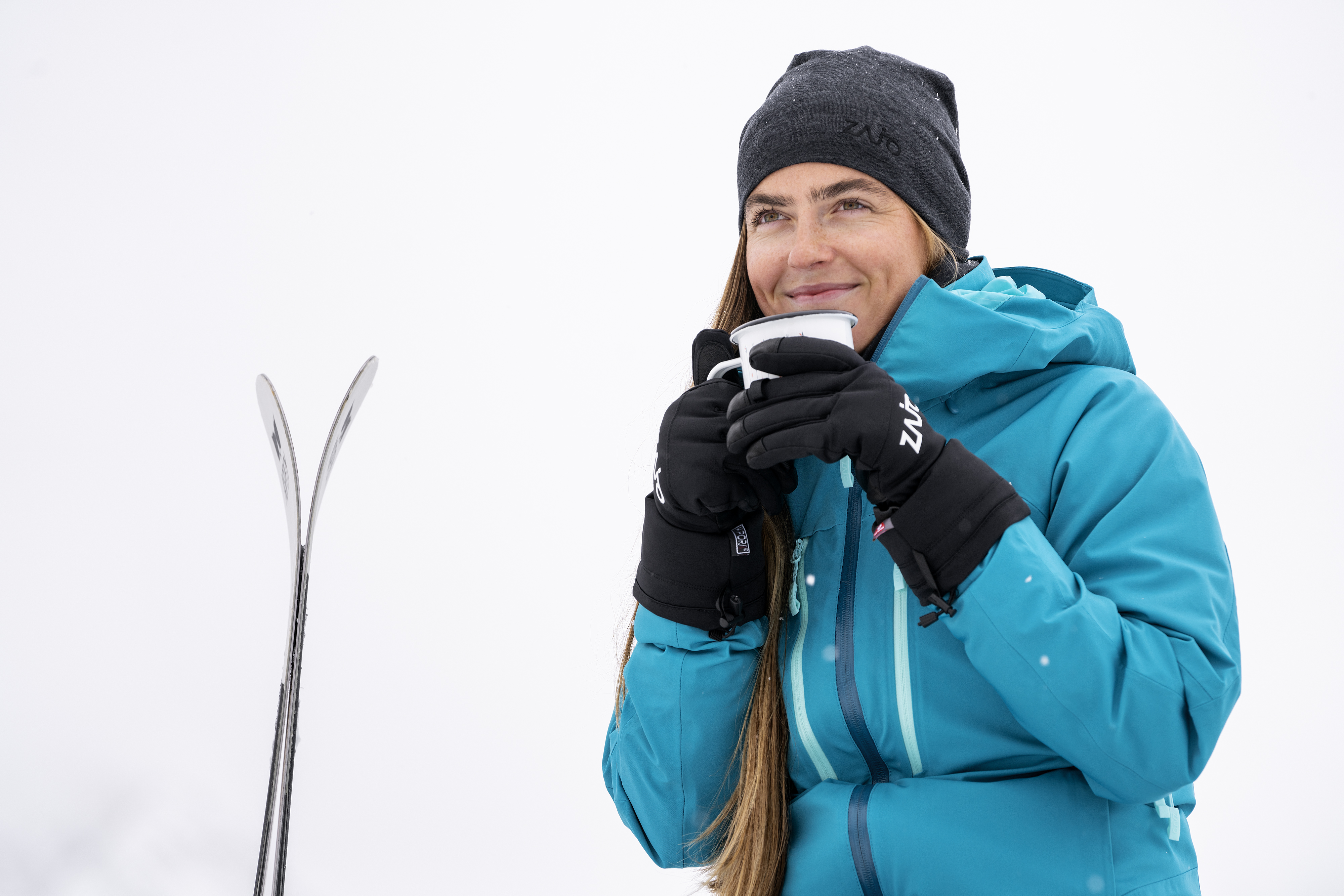
In extreme cold, the best approach for hand protection combines two types of gloves: a thin, snug-fitting pair, often made of wool or breathable synthetics for efficient moisture wicking, and a robust, insulated pair, crafted from durable, waterproof material to shield your hands from the harsh cold.
The beauty of this method lies in its versatility. Wear both for maximum protection, or adjust as needed based on the conditions and your activity level. This dual-layer system ensures both dexterity and warmth.
Double-Sock Method
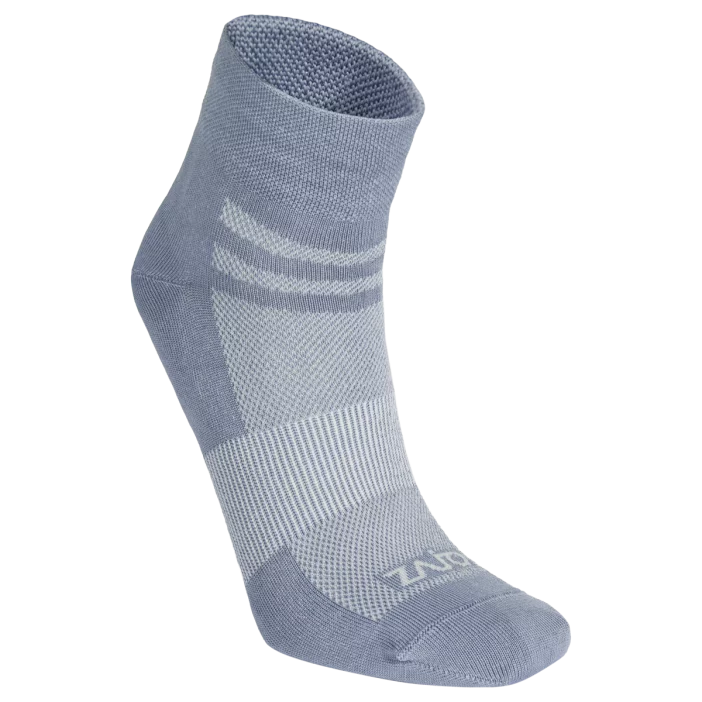
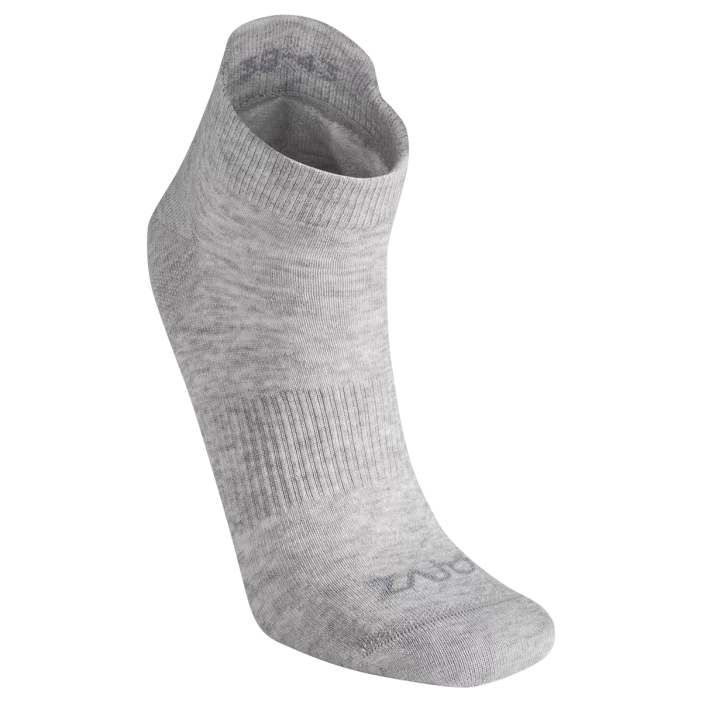
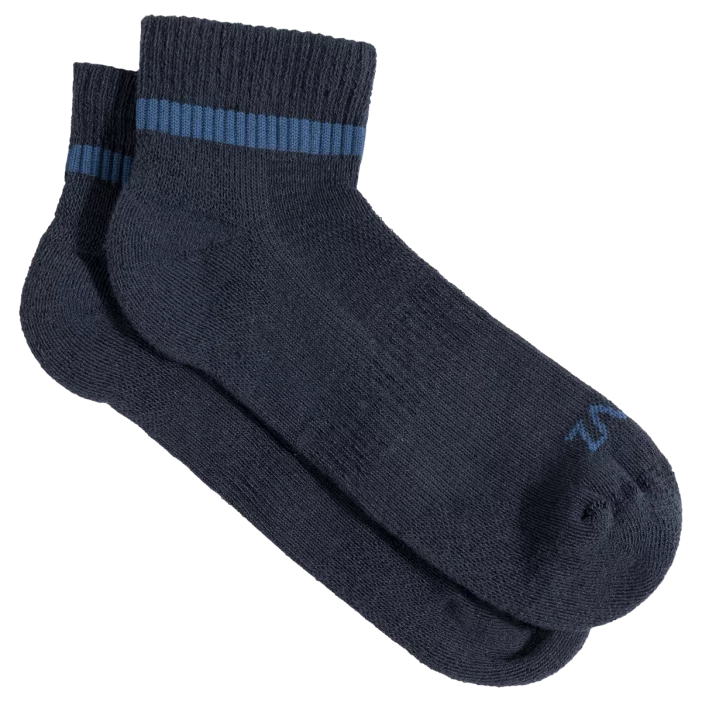
Similarly, when it comes to socks, a two-tiered approach works wonders. Start with a thinner, moisture-wicking pair to keep your feet dry and reduce blister risk. Then, add a layer of thick, durable wool socks designed to combat the cold.
A crucial tip: ensure your boots have enough space. Overly tight footwear can hinder circulation, ironically leading to colder feet. This double-sock method, combined with well-fitting boots, will keep your feet warm and comfortable, even in the most frigid conditions.






Ventilation: Overlooked Factor
It might seem counterintuitive to think about ventilation in extreme cold. Why would anyone want to open zippers and let in the chill? The answer lies in your body's natural heat production. As you move, your body generates heat, and without proper ventilation, this can lead to moisture buildup inside your layers, resulting in damp clothes. And dampness in freezing temperatures is a definite no-go.
This is where smart use of your clothing’s ventilation features comes into play. Utilize those zippered vents and adjustable openings to regulate your body temperature. It's a simple yet effective way to stay dry and comfortable, making those brief moments of cooler air worth the overall sustained comfort.
The Power of a Neck Warmer or Balaclava
We all know the importance of a warm hat, as our heads can lose up to half of our body's heat. But what about the areas a hat doesn't cover? This is where a neck warmer or balaclava becomes invaluable. They bridge the gap between your jacket and hat, ensuring that precious heat doesn't escape from your head and neck area.
Using a neck warmer or balaclava not only adds an extra layer of warmth but also offers versatile protection from the elements, making them essential accessories for your cold-weather adventures.
Zatiaľ žiadne produkty.
Bring a Sleeping Mat
During a hike, breaks are as important as the journey itself. After hours on your feet, the urge to sit down is natural. But sitting directly on frozen ground can lead to significant heat loss. To counter this, pack a lightweight sleeping mat. These mats are a game-changer, providing an insulating barrier between you and the cold ground. Opt for a lightweight foam mat for its ease of use – no inflation required and negligible weight added to your pack.
Eating Right to Stay Warm
Staying active in the cold isn't just physically taxing; it's also energetically demanding. Your body burns calories not only for movement but also to maintain body heat. Since energy reserves are finite, regular replenishment is crucial for optimal body function. This means staying warmer and more energetic.
For immediate energy, turn to snacks like dried fruit, chocolate, and energy bars. For sustained energy release, include foods like nuts in your diet. This balanced approach ensures your body has the fuel it needs to thrive in cold conditions.
In Summary
Don't let extreme cold temperatures deter your outdoor adventures. By focusing on a few additional details – like proper layering, bringing a sleeping mat, and eating right – you're well-equipped to enjoy the outdoors regardless of the weather. Remember, conquering the cold isn't rocket science; it's about thoughtful preparation and understanding your body's needs in frigid conditions.