Hiking or trekking? What is the difference between them and what will I need?
The term hike is widely known and very often used in our country. We can all imagine what exactly is meant by the term hike. According to our own subjective feeling, we divide hikes into easy, moderate, and difficult, or according to the length of time into short, half-day, and full-day hikes.

However, the term trekking is no longer in every person's dictionary. Nevertheless, it is becoming more and more common in our country, which sometimes raises questions about what the term means and whether it is different from hiking at all.
And although they are the same activity at heart, they are completely different in terms of time, equipment, and overall meaning.
What is the difference between hiking and trekking in terms of time?
The easiest way to differentiate a hike from a trek is in terms of time. Very simply put, a hike requires a much smaller time investment.
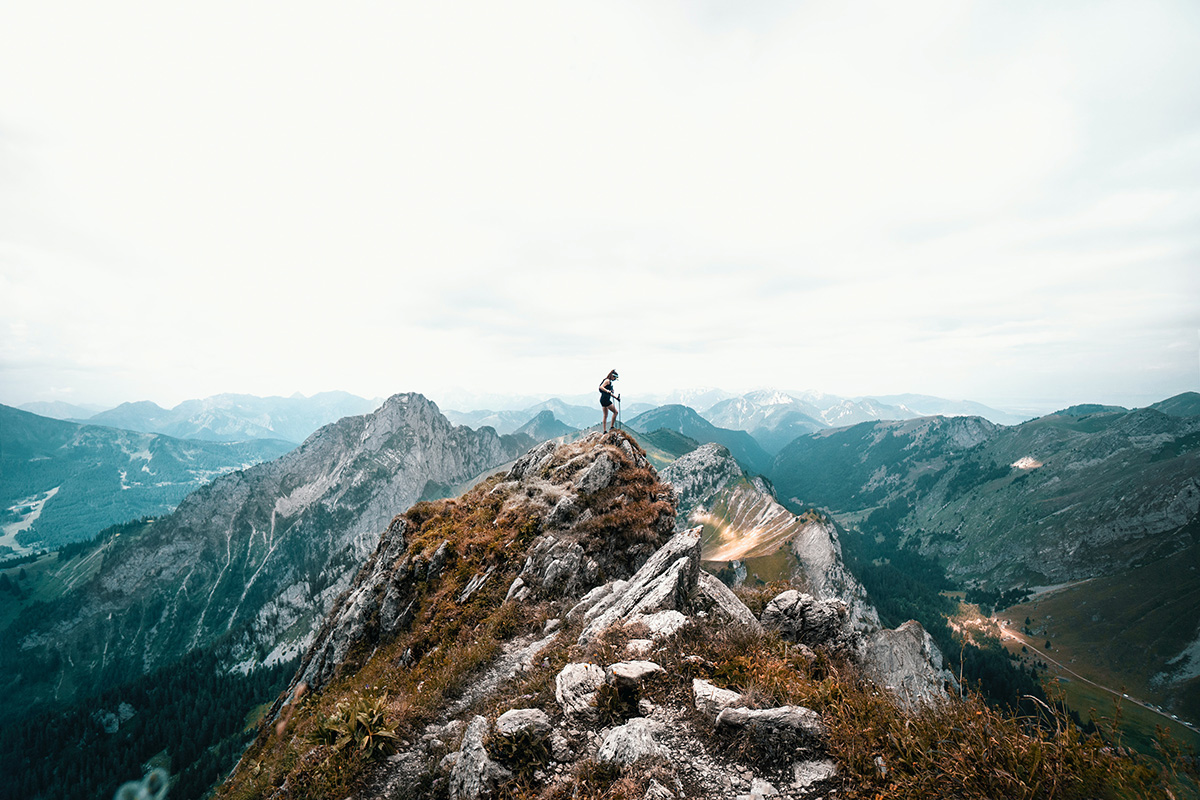
A hike should be a fun activity in and of itself that we plan to take as long as our physical condition, company, or mood calls for. It can be an hour hike around a lake, but it can also be a day hike to the summit or a traverse along the crest of a mountain.
The trek requires much more time. Most often we are talking about a horizon of days, but weeks or even months are no exception. The most popular treks in Europe, such as the GR20 mountain pass in Corsica or the beautiful Haute Route through the Alpine valleys, take on average about 2-3 weeks. More extreme affairs such as the Pacific Crest Trail, with a length of over 4,000 kilometers, are literally a project for months. In Slovakia, the most popular trek is the Cesta hrdinov SNP, which is a matter of about 5-6 weeks.
The difference, therefore, is naturally not only in the time we spend on the adventure itself but also in the amount of planning we have to do before it.
What is the difference between a hike and a trek in terms of equipment?
The basic equipment for hiking or trekking is the same - good quality boots, breathable clothing, waterproofs, plenty of water and food, a backpack, basic first aid, and some form of navigation, be it a map and compass or a GPS.
But a normal trek is several times longer than a normal hike and requires not only extra gear but also the need to ask a few questions. The three most important ones are sleep, weight, and water/food, all of which are largely related to weight.

After all, if a normal trek lasts a few days to weeks, every gram matters, and every extra gram will be felt. That's why it's important to plan things as precisely as you can. This includes several things.
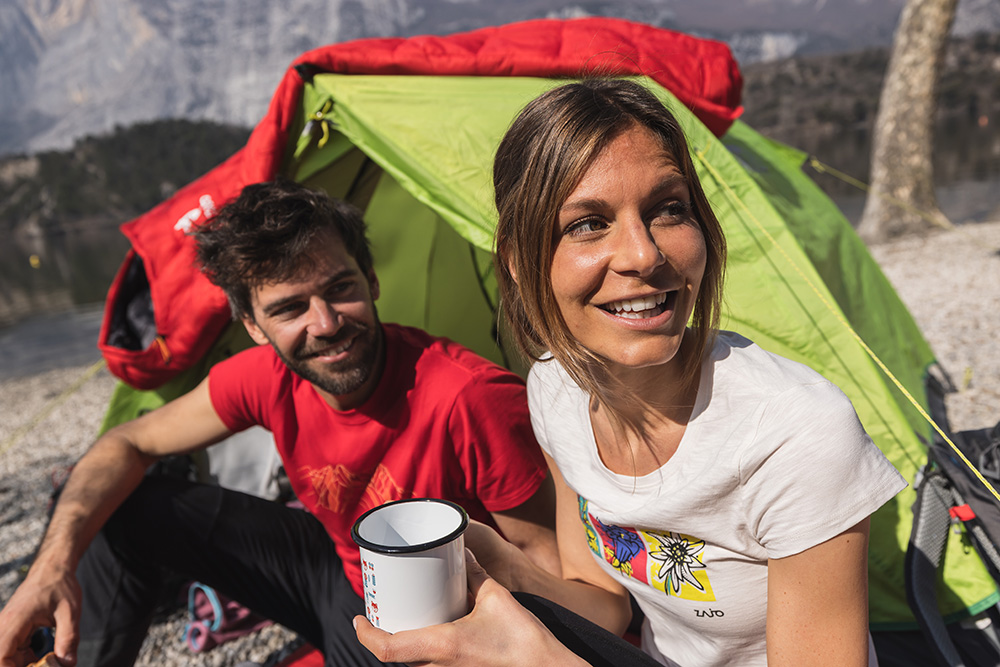
Sleep. Will I be able to complete the entire trek with overnight stays in huts, shelters, and mountain hotels? Alternatively, will the weather conditions allow me to just sleep in a sleeping bag, under the stars? Or do I need to take a heavy tent with me? If I take a tent, how big does it need to be? Can I afford to leave part of it (e.g. the floor) at home to save extra grams?
Lightweight materials. However, it is the increasingly popular category of hiking clothing and gear, referred to as "ultralight", that we are looking at when it comes to choosing new gear. What ultra-lightweight means is not clearly defined, but this clothing and equipment are standardly made from materials where light weight is the alpha and omega, while maintaining the highest possible quality.
Equipment and clothing are only one part of the whole puzzle, a large part of the weight is also taken up by what is in the backpack, especially food and water.
If there's anything we don't naturally want, it's to suffer from a lack of fluids, especially in the summer months. This is not only unpleasant but also very dangerous - hiking is a physical activity and fluids need to be constantly replenished.
However, if a hiker is willing to do their homework before a hike, they can make the situation easier - and plan a hike around springs or mountain huts where they can constantly replenish their fluids. In any case, you should have at least a liter of water ready in your pack, but refilling a liter bottle continuously will save you a huge amount of weight in your pack, compared to the 4-5 liters or so of water a day that you might need in hot weather on a strenuous hike for a full day.
Food is a second separate category - if mountain huts are available, you can treat yourself to a proper meal there and plan your hike so that you show up around lunch or dinner time. You can count on light, energy-packed meals such as energy bars, soy bars, biscuits, pastries, seeds, chocolate, or nuts. Or you can bring along a cooker, which we now have in our portfolio, that's very lightweight and lets you prepare a tasty, complete meal anywhere. If you take one of the instant meals that are made especially for hikers, you can really enjoy a full meal on the mountain ridge and save a lot of weight and space in your pack, compared to hauling around a sausage roll and a few pairs of sausage links.

These are all very complex issues and topics that require really careful planning and that you can pretty much avoid completely when planning a hike. It's just an adventure with everything that goes with it.
What is the difference between a hike and a trek in terms of their objective?
They are similar activities, but with very different goals, aside from the desire to spend time in nature and let our souls rest.
A hike is a more leisurely activity, the aim of which is active relaxation, time in nature, or, for many, physical exercise and the opportunity to burn some calories. A hike of any length can offer many benefits, both for the body and the mind.
The goal of a trek is usually not physical activity, most often the only goal is to get from point A to point B on foot. This can be through challenging alpine environments, but also through valleys or along the coast. It may be a long journey to a particular peak that cannot be climbed in a single day.
With the term hike, we have millions of options as to which direction to take, whether we choose a specific destination, go from point A to point B, or complete a circuit. How difficult is the terrain and for how long? While we can also plan our treks to suit ourselves, most often it involves following one of the established routes, often with historical significance and a specific story, that tourists from all over the country, continent, or the world take each year. Their primary goal is neither physical activity nor active recreation, but the adventure itself.
At the very core, however, it doesn't matter whether it's a trek or a hike. You can enjoy the beauty of nature and find peace in it whether you spend 30 minutes or two months in it. Amazing experiences are out there waiting for all of us.